The Rise of Private Label Stick Packs and What It Means for Brands
Understanding the Stick Pack Manufacturing Landscape
Overview of Stick Pack Manufacturing
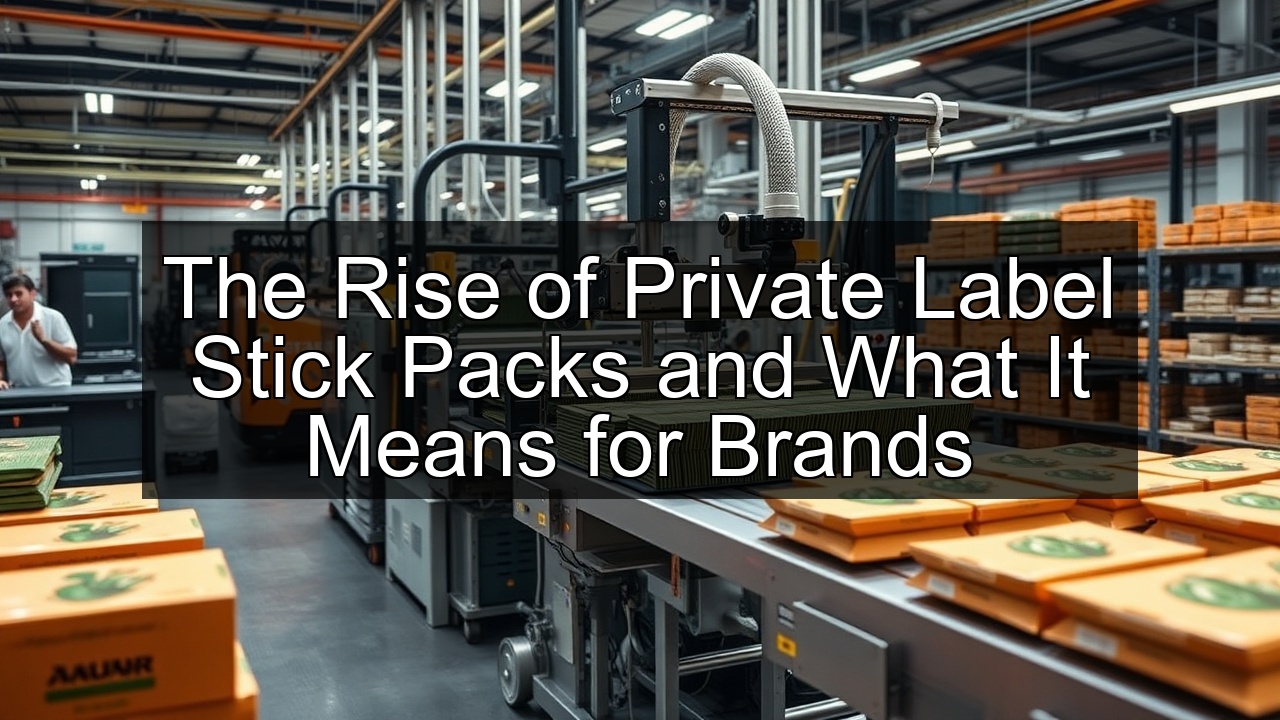
Stick pack manufacturing transforms simple sachets into powerhouse packaging solutions for powders, liquids, and granules across industries like nutrition and pharmaceuticals. Manufacturers fill, seal, and cut these slim, elongated packets using high-speed machines that handle everything from nutritional supplements to instant beverages. The process starts with selecting the right packaging material, often a laminate of foil, plastic, or paper, to ensure product integrity and freshness. In food manufacturing, stick packs shine for their portion control, reducing waste and appealing to on-the-go consumers. Companies specializing in stick pack production integrate automation for precision, minimizing errors in stick pack assembly and boosting output rates up to thousands per minute. This efficiency drives the stick pack industry forward, as brands seek reliable stick pack makers to scale operations without compromising quality. Private label options allow smaller brands to enter the market swiftly, outsourcing the entire stick pack process to expert suppliers. From design to delivery, these stick pack services streamline inventory management, letting brands focus on innovation rather than production headaches. As demand surges, stick pack suppliers adapt by incorporating advanced controls for consistent dosing, making this format a staple in the packaging industries.
Key Players in the Stick Pack Industry
Leading stick pack companies dominate the landscape with cutting-edge facilities and global reach, shaping how brands approach packaging and labeling. Firms like Bosch Packaging and Syntegon spearhead stick pack manufacturing innovations, offering turnkey solutions for contract manufacturers. In the U.S., players such as Volpak and Turpack excel in high-volume production, catering to nutraceutical and food manufacturing sectors. Elis, a notable contributor, specializes in custom stick pack designs that blend functionality with branding flair. These stick pack producers invest heavily in R&D to meet diverse needs, from hypoallergenic materials for nutritional supplements to tamper-evident seals for compliance. Smaller stick pack suppliers niche down, focusing on sustainable options or specialized stick pack assembly for premium brands. Contract packagers like ProAmpac provide end-to-end services, handling everything from formulation to final packaging, which helps brands manage inventory efficiently. The competitive edge lies in their ability to scale production while adhering to FDA standards, ensuring quality assurance throughout. As the stick pack business grows, these key players forge partnerships that propel innovation, making them indispensable allies for brands entering the private label arena.
Trends Driving Stick Pack Production
Convenience fuels the explosion in stick pack production, as consumers crave portable, single-serve options for everything from protein shakes to vitamins. E-commerce boom accelerates this trend, with brands turning to stick pack packaging for its lightweight, shippable design that cuts shipping costs and preserves product efficacy. Sustainability pushes manufacturers toward eco-friendly materials, reducing plastic use without sacrificing durability. Automation in stick pack manufacturing slashes labor costs and enhances precision, enabling 24/7 operations in the packaging industry. Personalization emerges as a game-changer, allowing private label brands to customize stick packs with unique graphics and dosing for targeted nutrition markets. The rise of health-conscious demographics drives demand for nutraceutical stick packs, where precise nutrition delivery builds trust. Global supply chain shifts prompt more localized production, minimizing delays for stick pack suppliers serving international brands. Innovation in materials, like recyclable laminates, aligns with regulatory pressures, while data analytics optimize the stick pack process for efficiency. These trends collectively elevate the stick pack industry, empowering brands to innovate and capture market share through agile manufacturing practices.
The Role of Private Label in Stick Pack Solutions
What is Private Label Branding?
Private label branding empowers retailers and emerging companies to sell products under their own names, sourced from specialized manufacturers without building in-house facilities. In stick pack solutions, this means brands partner with contract packagers to create custom nutritional supplements or snacks in sleek, branded sachets. Unlike generic white-label goods, private label involves tailored packaging and labeling that reflects the brand's identity, from logos to color schemes. This approach thrives in the packaging industries, where stick pack makers handle formulation, filling, and sealing to match exact specifications. Brands benefit from lower entry barriers, accessing professional stick pack production without massive upfront investments in equipment or expertise. For instance, a health food chain might commission private label stick packs for organic protein powders, controlling quality while leveraging the manufacturer's scale. Compliance remains central, with FDA oversight ensuring safety in every batch. This model fosters innovation, as brands experiment with flavors or formulations through flexible stick pack services. Ultimately, private label branding democratizes access to premium packaging, helping smaller players compete with giants in the nutraceutical and food manufacturing spaces.
Benefits of Private Label Stick Packs for Brands
Private label stick packs deliver unmatched flexibility, allowing brands to launch products quickly without the burdens of full-scale manufacturing. Cost savings top the list, as outsourcing to stick pack companies eliminates the need for expensive machinery and inventory stockpiles. Brands gain access to expert quality assurance, ensuring each stick pack meets rigorous standards for nutrition and safety. Customization shines here—tailored designs enhance shelf appeal, while precise dosing supports targeted health benefits in nutritional supplements. In the stick pack business, this model streamlines supply chains, reducing lead times from months to weeks through efficient contract manufacturing. Sustainability appeals to eco-aware consumers, with many suppliers offering biodegradable packaging materials. Market agility lets brands test trends like new nutraceutical blends without financial risk, scaling production as demand grows. Enhanced branding control fosters loyalty, as private label products feel uniquely owned. For inventory management, just-in-time production minimizes waste, aligning with lean operations in the packaging industry. Overall, these benefits position private label stick packs as a strategic tool for brands aiming to innovate and expand in competitive markets.
Case Studies of Successful Private Label Brands
Costco's Kirkland Signature line exemplifies private label success in stick pack manufacturing, offering affordable nutritional supplements that rival name brands in quality and compliance. Partnering with leading stick pack suppliers, Costco produces millions of electrolyte and vitamin stick packs annually, emphasizing clean ingredients and FDA-approved processes. Their approach highlights how private label branding builds consumer trust through consistent quality assurance, driving repeat purchases and bolstering inventory turnover. Another standout is Trader Joe's, which uses custom stick pack packaging for unique spice blends and health mixes, sourced via contract manufacturers. This strategy allows rapid innovation, like seasonal nutraceutical offerings, while keeping prices low and sustainability high with recyclable materials. In the beauty sector, Sephora's private label collagen stick packs demonstrate cross-industry appeal, blending nutrition with skincare through innovative designs from specialized stick pack makers. These cases show how brands leverage stick pack production to differentiate, with metrics like 20-30% margins from efficient packaging and labeling. Challenges like supply chain hiccups were overcome by diversifying suppliers, ensuring steady flow in the stick pack industry. Such successes underscore the transformative power of private label for scaling brands in food manufacturing and beyond.
Quality Assurance and Compliance in Stick Pack Production
FDA Regulations and Compliance
FDA regulations anchor stick pack production, mandating strict guidelines for safety, labeling, and contamination prevention in nutritional supplements and food items. Manufacturers must implement Good Manufacturing Practices (GMPs) to verify material integrity and filling accuracy, ensuring no harmful residues taint products. Compliance involves rigorous testing for allergens and microbes, especially in nutraceutical stick packs where potency matters. The FDA's oversight extends to packaging materials, requiring inert substances that don't leach into contents. Brands relying on contract stick pack services demand audited suppliers to avoid recalls, which can devastate reputations. Digital tracking systems now integrate into the stick pack process, providing traceability from raw ingredients to final assembly. For private label operations, adherence to these rules enables seamless market entry, with certifications like NSF or USP adding credibility. Violations carry hefty fines, so proactive compliance training equips teams in the packaging industry. As regulations evolve with health trends, stick pack makers invest in compliant innovations, like child-resistant seals, safeguarding consumers and brands alike in this regulated landscape.
Quality Assurance Practices in Stick Pack Manufacturing
Quality assurance in stick pack manufacturing hinges on multi-layered protocols that guarantee precision from design to dispatch. Automated vision systems inspect seals and fills in real-time, detecting defects during stick pack assembly to maintain uniformity. Calibration of filling machines ensures accurate dosing, critical for nutritional supplements where variances affect efficacy. Suppliers conduct batch testing for potency and stability, using labs equipped for microbial and chemical analysis. In contract manufacturing, third-party audits verify adherence to ISO standards, bolstering trust for private label brands. Preventive maintenance on equipment minimizes downtime, while employee training fosters a culture of vigilance in the packaging industries. Data analytics track trends, predicting issues before they arise in the stick pack production line. Sustainable practices, like waste reduction, integrate into QA without compromising standards. For food manufacturing, sensory evaluations confirm taste and texture integrity post-packaging. These robust measures not only meet FDA compliance but elevate product reliability, helping brands manage inventory with confidence and innovate safely in the competitive stick pack business.
Nutritional Supplements and Compliance Standards
Nutritional supplements in stick packs demand heightened compliance to deliver promised health benefits without risks. Standards like the Dietary Supplement Health and Education Act (DSHEA) require accurate labeling of nutrition facts, ingredients, and claims, enforced by the FDA. Manufacturers validate supplement potency through HPLC testing, ensuring active ingredients remain stable within the packaging material. For nutraceuticals, cGMPs dictate contamination controls, from sourcing to stick pack sealing. Private label brands benefit from suppliers' expertise in navigating these rules, avoiding misbranding pitfalls. Traceability systems log every step, enabling quick recalls if needed. Emerging standards address allergens, with clear declarations mandatory on packaging and labeling. Innovation in delivery, like time-release formulations, must prove safety via clinical data. In the stick pack industry, compliance fosters consumer confidence, as verified products stand out in crowded markets. Brands partnering with compliant stick pack producers gain a edge, scaling nutritional supplement lines while upholding quality assurance and ethical standards across global supply chains.
Sustainability and Innovation in Packaging
Sustainable Packaging Materials for Stick Packs
Sustainable packaging materials revolutionize stick packs, swapping virgin plastics for recycled or bio-based alternatives that cut environmental footprints. Compostable films from plant starches offer a viable option for nutritional supplements, breaking down without microplastic residue. Recycled PET laminates maintain barrier properties while reducing resource use by up to 70% in stick pack manufacturing. Brands prioritize these materials to align with eco-regulations and consumer preferences in the packaging industry. Suppliers innovate with paper-foil hybrids that preserve freshness yet recycle easily, ideal for food manufacturing. Lifecycle assessments guide choices, ensuring low-carbon production from sourcing to disposal. Private label operations leverage these for green branding, enhancing appeal in nutraceutical markets. Challenges like cost persist, but economies of scale from major stick pack makers lower barriers. Certifications such as FSC verify sustainable sourcing, building trust. As innovation accelerates, these materials not only comply with FDA standards but propel the stick pack business toward a circular economy, where packaging supports planetary health alongside product integrity.
Innovative Designs in Stick Pack Packaging
Innovative designs in stick pack packaging blend aesthetics with functionality, captivating consumers while optimizing usability. Tear-notches and easy-peel seals make single-use access effortless, boosting satisfaction for on-the-go nutrition. Custom shapes, like curved edges for better grip, differentiate brands in retail displays. Digital printing enables vibrant, variable data for personalized private label runs, incorporating QR codes for interactive nutrition info. In the stick pack process, modular dies allow quick switches between designs, supporting agile manufacturing. Augmented reality integrations on packaging engage users, linking to tutorials or supplement tracking apps. For nutraceuticals, child-safe features like puncture-resistant layers add security without bulk. Sustainability drives designs using minimal material for the same protection, reducing waste in packaging industries. Contract packagers collaborate with brands on prototypes, iterating via 3D modeling for precision. These advancements elevate the stick pack industry, where innovative packaging not only meets compliance but fuels branding success and consumer loyalty through thoughtful, forward-thinking solutions.
Impact of Sustainability on Brand Image
Sustainability profoundly shapes brand image, positioning eco-friendly stick packs as badges of responsibility in a conscious market. Brands adopting green packaging materials signal values that resonate with 78% of consumers who prefer sustainable options, per recent studies. In private label scenarios, this choice differentiates store brands from generics, fostering loyalty in nutritional supplements. Transparent communication via packaging and labeling amplifies impact, detailing carbon savings or recyclable credentials. For stick pack suppliers, sustainability certifications enhance credibility, attracting partnerships with values-driven companies. The ripple effect extends to inventory management, as sustainable practices reduce waste and costs long-term. In food manufacturing, brands like those using biodegradable stick packs see sales uplifts of 15-20%, tying green initiatives to revenue growth. Challenges include balancing affordability with premium materials, but innovation from stick pack makers bridges the gap. Ultimately, sustainability elevates brand perception, turning packaging into a storytelling tool that builds trust, drives innovation, and secures a competitive edge in the evolving packaging landscape.
Future Trends in Stick Pack Manufacturing

The Rise of Nutraceuticals and Health Supplements
Nutraceuticals and health supplements propel stick pack manufacturing into a high-growth trajectory, with market projections hitting $500 billion by 2028. Consumers seek convenient formats for daily wellness, driving demand for stick packs loaded with probiotics, adaptogens, and nootropics. Brands innovate formulations for targeted benefits, like immunity boosters in portable sachets, leveraging precise dosing from advanced stick pack production. Private label opportunities explode as retailers launch affordable lines, outsourcing to compliant manufacturers for FDA-approved nutrition. Sustainability integrates seamlessly, with plant-based packaging appealing to health-focused demographics. The stick pack industry adapts by scaling automation for diverse fills, from liquids to powders, enhancing efficiency in nutraceutical assembly. E-commerce amplifies reach, as lightweight stick packs ship globally with minimal environmental impact. Challenges like ingredient sourcing persist, but blockchain traceability ensures quality assurance. This rise transforms branding, where stick packs become gateways to personalized health, empowering brands to capture the wellness wave through innovative, compliant packaging solutions.
Challenges Facing Stick Pack Manufacturers
Stick pack manufacturers grapple with raw material volatility, as fluctuating prices for laminates and foils strain margins in the packaging industry. Supply chain disruptions, exacerbated by global events, delay stick pack production and inflate inventory costs for brands. Regulatory pressures intensify, with evolving FDA compliance demanding constant upgrades in quality assurance protocols. Sustainability mandates push for greener materials, but scaling bio-alternatives without hiking prices challenges smaller stick pack suppliers. Labor shortages in skilled assembly roles slow operations, while competition from Asian producers undercuts domestic firms. Innovation lags if R&D budgets tighten, hindering new designs for nutraceutical packaging. Private label demands for customization strain resources, requiring flexible manufacturing lines. Cybersecurity threats to automated systems risk data breaches in contract processes. Despite these hurdles, proactive strategies like diversification and tech investments help manufacturers thrive. Addressing them head-on ensures the stick pack business remains resilient, supporting brands in navigating a complex landscape toward sustainable growth.
The Future of Branding and Packaging in the Stick Pack Industry
The future of branding and packaging in the stick pack industry promises hyper-personalization, powered by AI-driven designs that tailor stick packs to individual preferences. Smart packaging with embedded sensors will monitor freshness for nutritional supplements, alerting users via apps and enhancing trust. Sustainability evolves into zero-waste models, with fully circular materials dominating production. Brands will leverage AR for immersive experiences, scanning stick packs for virtual nutrition consultations. In private label, modular platforms enable rapid prototyping, accelerating market entry for nutraceuticals. Global expansion favors localized manufacturing, reducing carbon footprints while complying with regional FDA-like standards. Collaborative ecosystems between stick pack makers and brands foster co-innovation, blending packaging with IoT for interactive health tracking. Challenges like cost barriers will yield to scalable tech, democratizing access. This trajectory redefines the stick pack process, where packaging transcends utility to become a dynamic brand asset, driving engagement, loyalty, and exponential growth in the vibrant packaging industries.