Sustainable Practices in Cosmetic Contract Manufacturing
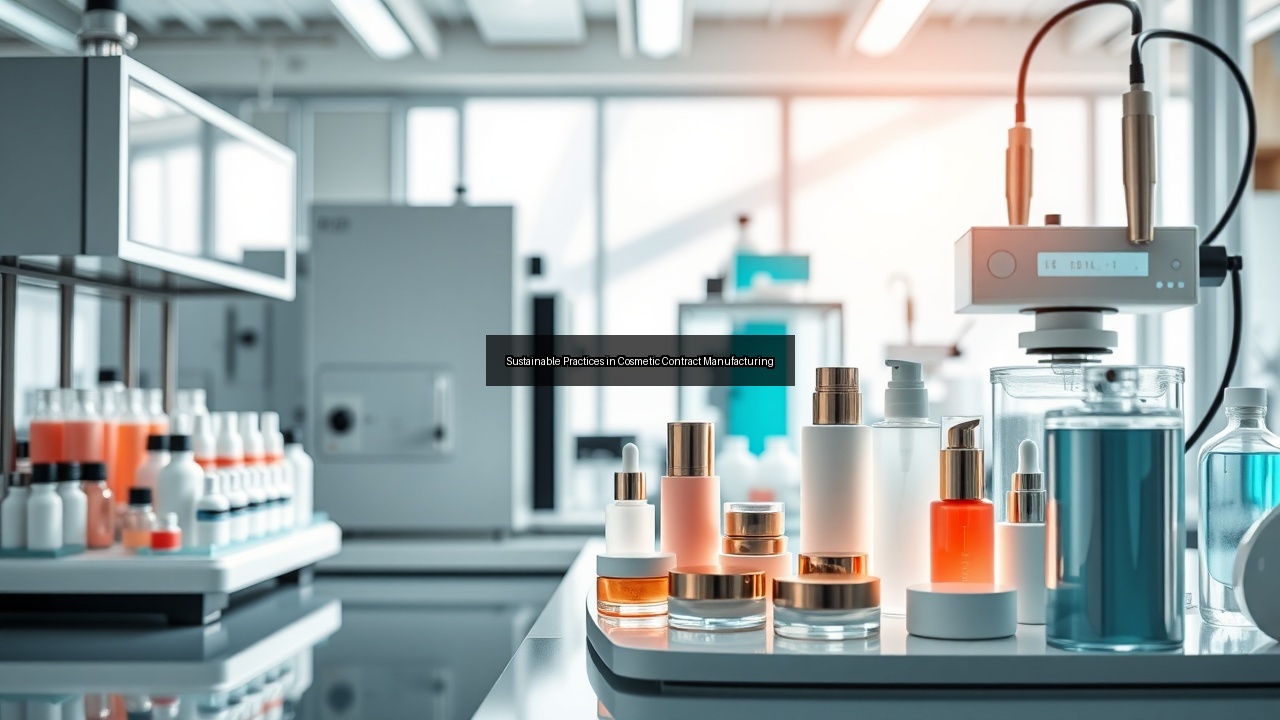
The Importance of Sustainability in Cosmetic Contract Manufacturing
Understanding Sustainable Practices
Sustainability in cosmetic contract manufacturing encompasses a holistic approach that prioritizes environmental health, social responsibility, and economic viability. It involves adopting practices that minimize waste, reduce carbon footprints, and promote ethical sourcing of ingredients. Sustainable practices in the cosmetic sector aim to create products that not only benefit consumers but also protect the planet. By focusing on eco-friendly formulations and responsible sourcing, companies can significantly enhance their brand image and appeal to a growing demographic of environmentally conscious consumers. This shift is essential as consumers increasingly demand transparency and sustainability from brands, pushing cosmetic manufacturers to reconsider their operational practices.
The Role of Contract Manufacturers in Sustainability
Contract manufacturers play a pivotal role in advancing sustainability within the cosmetics industry. These manufacturers often collaborate with brands to innovate and implement best practices in sustainable production. By specializing in sourcing eco-friendly ingredients and employing energy-efficient manufacturing processes, contract manufacturers help brands meet their sustainability goals. Moreover, they possess the flexibility to adapt production lines to accommodate sustainable methods, ensuring that even small brands can access high-quality, eco-friendly cosmetic products. This partnership fosters a shared responsibility toward sustainability, as both brands and manufacturers strive to minimize environmental impact while maximizing product efficacy.
Benefits of Sustainable Cosmetic Products
Investing in sustainable cosmetic products yields numerous benefits for both companies and consumers. For brands, sustainability enhances brand loyalty and differentiates them in a crowded market. Consumers increasingly favor cosmetics that align with their values, leading to increased sales and customer retention. Sustainable products often feature high-quality ingredients that provide better results, further appealing to discerning consumers. Additionally, embracing sustainable practices can lead to operational efficiencies, reducing costs associated with waste management and resource consumption. Overall, the transition to sustainable cosmetics not only fulfills market demand but also supports a healthier planet, creating a win-win scenario for businesses and consumers alike.
Key Sustainable Practices in Cosmetics Manufacturing
Sourcing Eco-Friendly Ingredients
Sourcing eco-friendly ingredients forms the cornerstone of sustainable cosmetic manufacturing. Brands should prioritize natural, organic, and biodegradable ingredients that minimize environmental harm. Many contract manufacturers specialize in sourcing these ingredients, ensuring they meet stringent standards for sustainability. By choosing responsibly harvested botanical extracts and avoiding harmful chemicals, manufacturers can create safer skincare and cosmetic products. Furthermore, ethical sourcing practices, such as fair trade and local sourcing, contribute to community development and biodiversity protection. This commitment not only enhances product quality but also resonates with consumers who prioritize ethical consumption, ultimately benefiting both the brand and the community.
Innovative Packaging Design for Sustainability
Innovative packaging design significantly impacts the sustainability of cosmetic products. Sustainable packaging solutions include recyclable, biodegradable, and reusable materials that minimize waste. Contract manufacturers often collaborate with brands to design packaging that reduces material usage while maintaining product integrity. For instance, brands can opt for minimalistic designs that eliminate excess plastic or explore alternatives like glass and aluminum, which are more sustainable options. Innovative packaging not only attracts eco-conscious consumers but also reinforces a brand's commitment to sustainability. Additionally, effective packaging design can improve logistics, reducing shipping costs and carbon emissions associated with transportation, further enhancing the sustainability of the entire supply chain.
Implementing Automation for Efficiency
Automation plays a crucial role in enhancing efficiency and sustainability in cosmetic manufacturing. By automating processes, manufacturers can reduce energy consumption and minimize waste. Advanced technologies, such as robotics and AI-driven systems, enable precise measurements and formulations, leading to less product waste and more consistent quality. Automation also streamlines production lines, reducing labor costs and improving turnaround times. As a result, brands can respond more quickly to market demands while maintaining sustainable practices. Furthermore, automation facilitates better tracking of ingredients and production processes, ensuring compliance with regulatory standards and promoting transparency in the supply chain.
Regulatory Compliance and Sustainable Practices
Navigating FDA Regulations in Cosmetic Manufacturing
Navigating FDA regulations is essential for cosmetic manufacturers aiming to maintain compliance while pursuing sustainability. The FDA sets strict guidelines regarding ingredient safety, labeling, and marketing claims. Brands must ensure that their products meet these regulations while also adhering to sustainable practices. This often involves working closely with contract manufacturers who understand the intricacies of compliance. By staying informed about evolving regulations, manufacturers can adjust their practices to align with sustainability goals without compromising product safety or efficacy. Compliance not only protects consumers but also enhances brand reputation, as transparency and adherence to regulations build trust in the marketplace.
Ensuring Traceability and Conformity in Ingredients
Traceability and conformity in ingredient sourcing are crucial components of sustainable cosmetic manufacturing. Brands must ensure that every ingredient used in their products is ethically sourced and complies with safety standards. Contract manufacturers facilitate this process by implementing robust tracking systems that monitor the origin and processing of ingredients. By providing transparency in sourcing, manufacturers can reassure consumers about the ethical practices behind their cosmetics. Furthermore, ensuring conformity with sustainability standards reinforces a brand's commitment to responsible manufacturing, enhancing consumer confidence and loyalty. Effective traceability systems also aid in compliance with regulatory requirements, reducing risks associated with ingredient safety and marketing practices.
Impact of Regulations on Sustainable Packaging
Regulatory compliance significantly influences sustainable packaging decisions in the cosmetics industry. The FDA and other governing bodies impose guidelines on packaging materials and labeling requirements, impacting how brands approach sustainability. Contract manufacturers must remain informed about these regulations to design compliant, eco-friendly packaging solutions. For instance, regulations may dictate the use of specific materials that meet safety standards while also being recyclable or biodegradable. Understanding the regulatory landscape allows brands to innovate in packaging design without compromising compliance. As sustainability becomes increasingly prioritized, manufacturers must find ways to balance regulatory requirements with their commitment to reducing environmental impact.
Challenges and Future Trends in Sustainable Cosmetic Manufacturing
Balancing Cost and Quantity in Sustainable Practices
Balancing cost and quantity presents a significant challenge in sustainable cosmetic manufacturing. Eco-friendly ingredients and sustainable packaging often come at a premium, which can deter brands from fully committing to sustainable practices. Contract manufacturers play a key role in helping brands navigate these challenges by providing cost-effective solutions without sacrificing quality. By optimizing production processes and leveraging economies of contract manufacturing cosmetics scale, manufacturers can reduce costs associated with sustainable practices. Brands must also educate consumers about the value of sustainability, helping them understand that contract manufacturing cosmetics investing in eco-friendly cosmetics contributes to a healthier planet and community. This strategic approach can lead to a more sustainable future in cosmetics.
Emerging Trends in Cosmeceutical Manufacturing
Emerging trends in cosmeceutical manufacturing reflect a growing consumer demand for products that blend cosmetic and therapeutic benefits. As consumers become more informed about skincare ingredients, the focus on scientifically-backed formulations increases. Contract manufacturers are responding by investing in research and development to create innovative cosmeceuticals that meet these demands. Additionally, trends such as personalized skincare, clean beauty, and the incorporation of biotechnology in formulations are shaping the future of cosmetic manufacturing. As brands seek to differentiate themselves in a competitive market, collaborating with contract manufacturers that prioritize sustainability will be crucial in meeting consumer expectations and remaining relevant.
The Hybrid Approach to Sustainable Cosmetics
The hybrid approach combines traditional cosmetic manufacturing methods with innovative sustainable practices, creating a more adaptable framework for brands. This strategy enables manufacturers to leverage existing processes while incorporating new technologies and materials that enhance sustainability. For example, contract manufacturers can utilize automation alongside artisanal techniques to produce high-quality, eco-friendly products. This flexibility allows brands to experiment with different formulations and packaging designs while maintaining a commitment to sustainability. As the cosmetics industry evolves, adopting a hybrid approach will empower brands to meet consumer demands for sustainability without compromising on quality or performance.