Selecting the Best Rubber Products for Your Paper Manufacturing Needs
Understanding Rubber Products in the Pulp and Paper Industry
Role of Rubber in Paper Manufacturing
Rubber products play a pivotal role in the pulp and paper industry, serving various essential functions that ensure efficient production processes. Rubber components, such as gaskets, stoppers, and seals, contribute to equipment performance, reliability, and safety. They help maintain pressure and prevent leaks in machinery, which is crucial during the paper manufacturing process. The use of rubber minimizes downtime, reduces maintenance costs, and enhances the overall efficiency of operations. Additionally, rubber's flexibility and resilience make it ideal for handling the rigorous demands of wet environments and exposure to various chemicals used in paper production.
Overview of Common Rubber Products
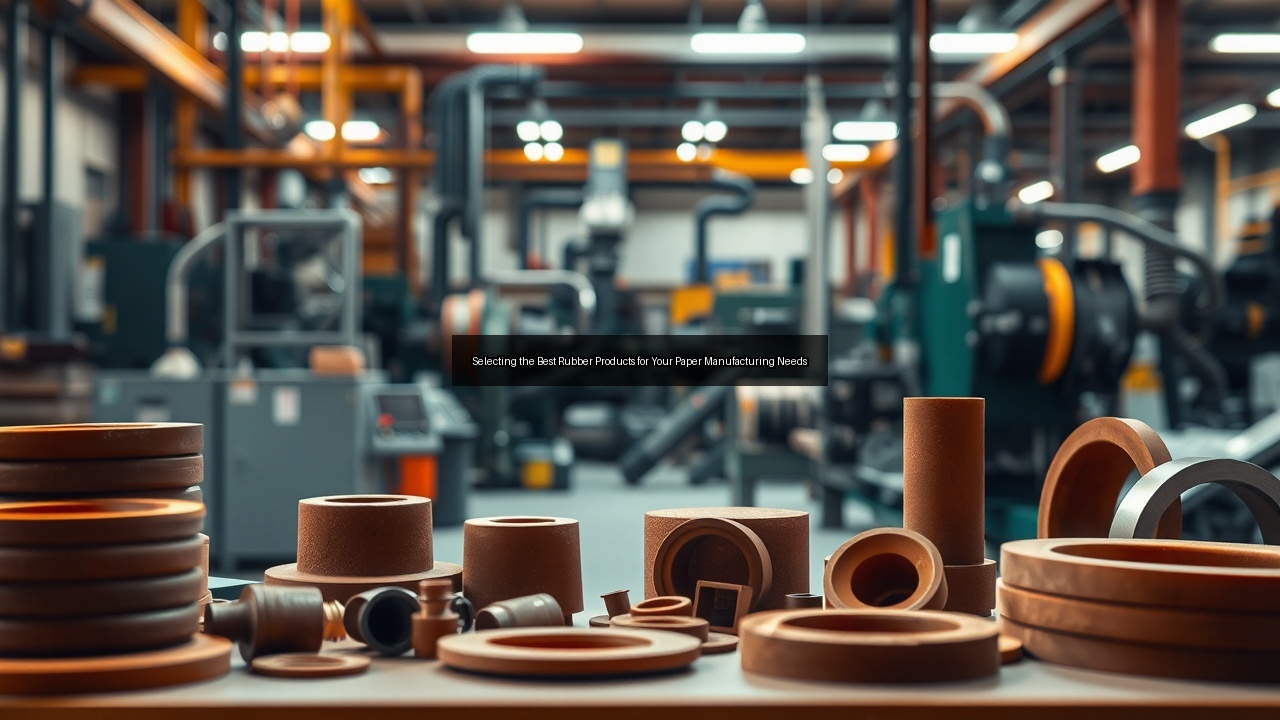
In the pulp and paper industry, several rubber products are commonplace. Natural rubber, known for its excellent elasticity and tensile strength, is widely used in applications requiring flexibility and resilience. Ethylene propylene diene monomer rubber (EPDM) stands out for its superior resistance to heat, ozone, and weathering, making pulp and paper industry rubber products it ideal for outdoor applications. Gaskets and stoppers serve as critical sealing components, preventing leaks and contamination during production. Vacuum seals ensure that machinery operates efficiently by maintaining the necessary pressure levels, crucial for processes like drying and pressing paper. Understanding these products' specific roles helps manufacturers select the right components for their operations.
Types of Rubber Products for Pulp and Paper Applications
Natural Rubber: Benefits and Applications
Natural rubber, harvested from rubber trees, offers distinct advantages in the pulp and paper industry. Its exceptional elasticity and high tensile strength allow it to withstand the stresses of various applications. One key benefit of natural rubber is its ability to perform well in dynamic environments where flexibility is essential. This makes it suitable for products like gaskets and stoppers, which must adapt to changes in pressure and temperature. The natural rubber's resistance to wear also ensures a longer lifespan, reducing the frequency of replacements. Manufacturers often choose natural rubber when dealing with wet processes in paper production, given its excellent performance in humid conditions.
EPDM Rubber: Features and Use Cases
Ethylene propylene diene monomer rubber (EPDM) is another vital material in the pulp and paper industry. Renowned for its durability, EPDM exhibits remarkable resistance to heat, aging, and ozone. These characteristics make it ideal for applications exposed to harsh environmental conditions. EPDM rubber finds its place in seals and gaskets, where it effectively withstands the chemical exposure common in paper manufacturing environments. Additionally, its flexibility allows it to maintain a tight seal, preventing air and liquid leaks that could disrupt production. Manufacturers often opt for EPDM rubber when they require components that will endure prolonged exposure to moisture and chemicals without degrading.
Gaskets and Stoppers: Essential Components
Gaskets and stoppers serve as essential components in the pulp and paper industry, ensuring the integrity of systems that rely on precise sealing. Gaskets, typically placed between two surfaces, prevent leaks by filling the gaps and accommodating slight imperfections in the surfaces. They come in various shapes and sizes, tailored to fit specific machinery or equipment designs. Stoppers, on the other hand, are critical for controlling the flow of liquids or gases in systems. Both gaskets and stoppers must be made from high-quality rubber materials to ensure reliability and longevity. Proper selection based on application requirements can lead to significant improvements in efficiency, reducing the risks of leaks and contamination.
Vacuum Seals: Importance in Paper Processes
Vacuum seals play a crucial role in various paper manufacturing rubber products for pulp industry processes, especially during drying and pressing operations. These seals maintain the necessary vacuum pressure, allowing for efficient moisture removal from the paper sheets. Without effective vacuum seals, manufacturers may face issues such as inconsistent drying, which leads to quality control problems. The performance of vacuum systems relies heavily on the quality of rubber used in these seals. High-quality rubber products ensure a tight seal, minimizing air leaks and maximizing efficiency. Selecting the right material for vacuum seals, such as EPDM or natural rubber, significantly impacts the overall productivity of the paper manufacturing process.
Selecting the Right Rubber Products for Your Needs
Factors to Consider When Choosing Rubber Products
Choosing the right rubber products for the pulp and paper industry involves several critical factors. First, manufacturers must assess the specific requirements of their applications, including temperature, pressure, and exposure to chemicals. Understanding the operational environment is crucial for selecting materials that will perform reliably under various conditions. Additionally, consider compatibility with the chemicals used in paper production. Some rubber materials may degrade when exposed to certain chemicals, leading to premature failure. Finally, cost-effectiveness plays a role; while high-quality rubber products may have a higher initial price, their durability and performance can lead to significant savings in maintenance rubber products for pulp industry and replacement costs over time.
Compatibility with Chemicals in Paper Production
The pulp and paper industry utilizes numerous chemicals throughout the manufacturing process, from pulping agents to bleaching compounds. Compatibility with these chemicals is vital when selecting rubber products. Natural rubber, while versatile, may not withstand certain harsh chemicals, leading to deterioration. EPDM rubber, however, shows excellent resistance to many of these substances, making it a preferred choice for seals and gaskets in chemically intensive environments. Conducting compatibility tests before finalizing rubber product choices can prevent costly failures and downtime, ensuring a smooth production process. Manufacturers must prioritize chemical resistance to maintain the integrity of their operations and product quality.
Evaluating Durability and Performance
Durability and performance are non-negotiable when selecting rubber products for the pulp and paper industry. High-quality rubber components can withstand the rigors of continuous operation, reducing the likelihood of failures that disrupt production. Evaluate the expected lifespan of rubber products based on their material properties and the specific application requirements. Look for products that offer resistance to wear, aging, and environmental factors such as moisture and temperature fluctuations. Manufacturers often conduct performance tests to ensure that the selected rubber products meet their operational demands. Prioritizing durability not only enhances production efficiency but also contributes to long-term cost savings by minimizing the need for frequent replacements.
Maintenance and Care for Rubber Products
Best Practices for Rubber Product Maintenance
Maintaining rubber products in the pulp and paper industry is essential for ensuring their longevity and performance. Regular inspections should be part of a preventive maintenance program. Look for signs of wear, cracks, or degradation, especially in gaskets and seals. Keeping rubber components clean and free from contaminants can prevent premature failure. Additionally, storing rubber products in a cool, dry place away from direct sunlight and extreme temperatures will help maintain their integrity. Implementing a routine maintenance schedule not only prolongs the life of rubber products but also enhances overall operational efficiency, reducing the risk of unexpected breakdowns that can halt production.
How to Extend the Life of Gaskets and Stoppers
Extending the life of gaskets and stoppers requires vigilance and proactive care. First, ensure proper installation, as misalignment can lead to leaks and premature wear. Regularly check for signs of wear or damage and replace compromised components immediately to avoid further issues. Use compatible lubricants to ease the installation and removal of stoppers, reducing stress on the material. Avoid exposing rubber products to harsh chemicals or extreme temperatures that can accelerate degradation. By following these practices, manufacturers can significantly enhance the lifespan of gaskets and stoppers, ensuring consistent performance and reliability throughout the paper production process.
See Also
- The Future of Rubber Technology in the Pulp and Paper Industry
- Vacuum Seals Made from Rubber for Efficient Paper Processing
- Exploring the Chemistry Behind Rubber Products in Paper Mills
- How Rubber Products Enhance Chemical Resistance in the Paper Industry
- Understanding the Role of Rubber in Pulp and Paper Equipment Maintenance