Custom Machined Plastic Parts: Tailoring Solutions to Your Needs
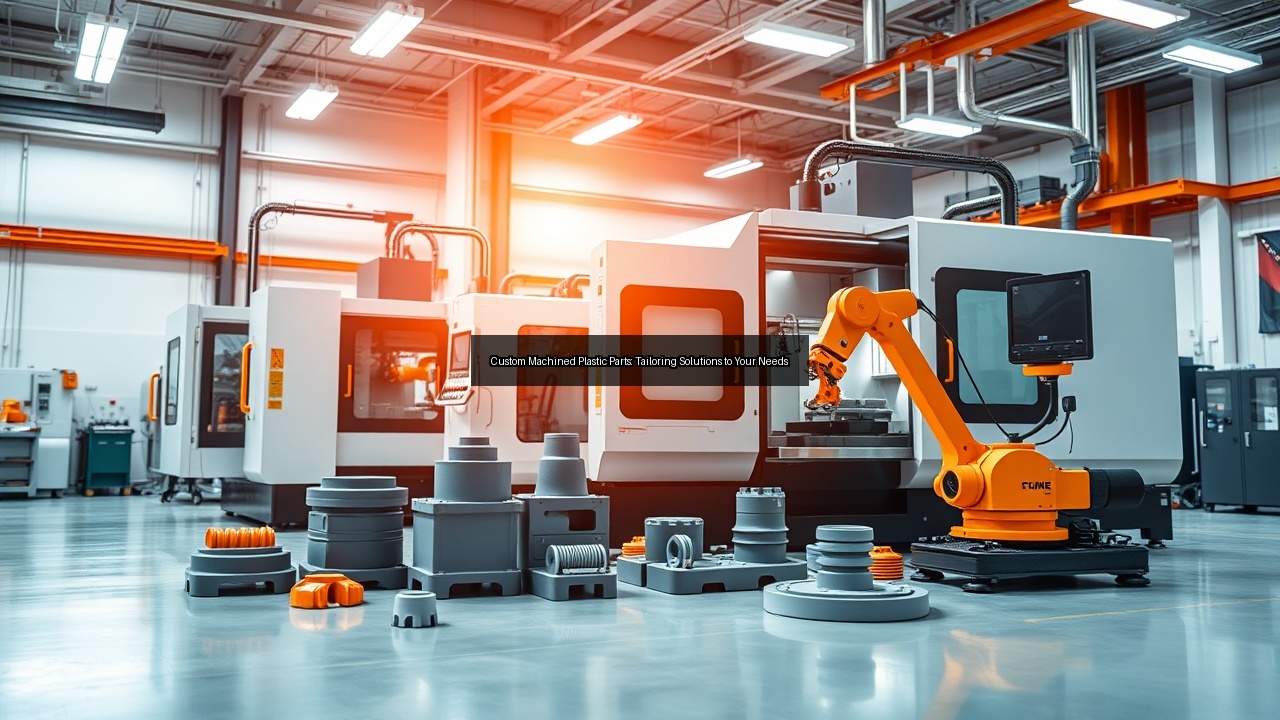
Understanding Custom Machined Plastic Parts
The Role of CNC Machining in Plastic Fabrication
CNC machining plays a crucial role in the production of custom machined plastic parts. This advanced technology allows for the precise shaping and cutting of plastic materials using computer-controlled machinery. CNC, or Computer Numerical Control, enables manufacturers to achieve high levels of accuracy and repeatability in their processes. The ability to program intricate designs into the machine means that even complex geometries can be produced efficiently. This precision is essential in applications ranging from automotive parts to medical plastic machined components devices, where tolerances can significantly impact functionality and safety. CNC machining not only enhances the speed of production but also accommodates a variety of engineering plastics, making it an ideal choice for tailored solutions.
Key Engineering Plastics Used in Machined Components
Various engineering plastics are commonly utilized in the production of machined components, each offering distinct advantages. Materials such as Nylon, PEEK, and Delrin are favored for their exceptional strength, durability, and resistance to wear. Nylon, for instance, is known for its excellent mechanical properties and is often used in high-stress applications. PEEK, on the other hand, withstands extreme temperatures and harsh chemicals, making it ideal for aerospace and medical applications. Delrin provides high stiffness and low friction, making it suitable for gears and bearings. The choice of material influences the performance characteristics of machined plastic parts, so understanding the properties of these engineering plastics is essential for any project.
Benefits of Customization in Plastic Parts
Customization offers numerous benefits, particularly in the realm of plastic fabrication. Tailored design allows manufacturers to meet specific requirements and address unique challenges faced by their clients. Custom machined plastic parts can be designed to fit exact specifications, ensuring optimal performance in their plastic machined components intended applications. This level of customization can lead to improved efficiency, reduced waste, and even cost savings over time. Furthermore, customized components can enhance product aesthetics, allowing businesses to stand out in a competitive marketplace. The machined plastic part flexibility offered by CNC machining makes it easier to create prototypes, test designs, and refine products before full-scale production.
The CNC Machining Process for Plastic Components
How CNC Machinery Works for Plastic Machining
The CNC machining process for plastic components begins with a digital design, typically created using CAD (Computer-Aided Design) software. This design is then translated into machine code, which dictates the movements of the CNC machinery. The CNC machine utilizes various cutting tools to carve the plastic material according to the specified design. This process can include milling, turning, and drilling, depending on the complexity of the part being produced. CNC machines can handle a variety of plastics, ensuring that manufacturers can choose the right material for their needs. The precision of CNC technology minimizes errors, leading to higher quality machined plastic components.
Tolerances and Dimensions: Ensuring Precision
Precision is paramount in the CNC machining of plastic parts. Manufacturers must adhere to strict tolerances and dimensions to ensure that components fit together correctly and function as intended. Tolerances refer to the allowable variations in measurements, influencing how parts interact with each other in assemblies. Advanced CNC machinery is capable of producing parts with tolerances as tight as +/- 0.001 inches. Achieving such precision requires meticulous programming and careful selection of machining parameters. This level of accuracy is essential in industries such as aerospace, automotive, and medical, where even minor deviations can lead to significant performance issues or safety hazards.
Batch Production vs. One-off Machining
Manufacturers often face the decision between batch production and one-off machining when creating custom machined plastic parts. Batch production entails producing multiple units of the same design, allowing for economies of scale and reduced per-unit costs. This approach is efficient for products that require consistent replication, such as components used in mass production. In contrast, one-off machining focuses on creating a single, unique part, often used for prototypes or specialized applications. Each method has its advantages and challenges, and the choice depends on the project’s specific needs, timelines, and budget considerations. Understanding these differences helps businesses make informed decisions when planning their production strategies.
Surface Treatments and Finishing for Machined Plastics
Importance of Surface Finishing in Machined Parts
Surface finishing plays a critical role in the overall performance and appearance of machined plastic parts. A well-finished surface enhances aesthetic appeal and can significantly impact the functionality of the component. For instance, smooth surfaces reduce friction, which can be particularly important in moving parts such as gears or bearings. Additionally, surface treatments can improve resistance to wear, chemicals, and UV exposure, extending the lifespan of the component. Manufacturers often employ various finishing techniques to achieve the desired surface characteristics, ensuring that the final product meets both functional and aesthetic requirements.
Techniques for Surface Treatment of Plastic Components
Several techniques exist for surface treatment of machined plastics, each tailored to meet specific needs. Common methods include sanding, polishing, and coating. Sanding and polishing create a smooth finish, while coatings can provide additional protection against environmental factors. Anodizing and plating are also options, though less common in plastic applications. Advanced technologies, such as laser engraving, allow for intricate designs and markings on the plastic surface. Understanding the various surface treatment options enables manufacturers to select the most appropriate method for their particular application, ensuring optimal performance and durability.
Impact of Finishing on Performance and Aesthetics
The finishing process significantly impacts both the performance and aesthetics of machined plastic components. High-quality surface finishing enhances the visual appeal of parts, making them more attractive for consumer products. Additionally, well-finished components often perform better, as surface irregularities can lead to increased friction, wear, and potential failure. Properly treated surfaces resist contamination and degradation, contributing to the longevity of the parts. Manufacturers must prioritize finishing techniques to ensure that the final products not only function effectively but also meet the aesthetic standards required by clients.
Choosing the Right Manufacturer for Custom Machined Plastics
Evaluating Capabilities of a CNC Machined Plastic Parts Company
Selecting the plastic cnc machined components right manufacturer for custom machined plastics involves a thorough evaluation of their capabilities. Prospective clients should assess the company's experience in plastic fabrication, specifically their proficiency with CNC machining. Understanding the types of engineering plastics the manufacturer works with can also influence the decision. An ideal company should demonstrate a commitment to quality control, utilizing advanced technology and techniques to ensure precision in their products. Moreover, evaluating their production capacity and turnaround times helps determine if they can meet project deadlines efficiently.
Questions to Ask Your Machinist
When engaging with a machinist, asking the right questions can provide valuable insights into their capabilities and reliability. Inquire about their experience with specific types of plastic materials and the CNC machinery they employ. Understanding their approach to tolerances and quality control is crucial, as it directly affects the final product. Additionally, ask about their surface finishing options and any additional services they offer, such as prototyping or design assistance. Establishing clear communication and expectations helps foster a successful partnership, ensuring that the project aligns with your needs and objectives.
The Future of Machined Plastic Components in Engineering
The future of machined plastic components in engineering looks promising, driven by advancements in technology and material science. Innovations in CNC machinery, including increased automation and integration with robotics, enhance production efficiency and precision. The development of new engineering plastics, particularly composites, expands the possibilities for custom machined parts, offering improved performance in demanding applications. As industries continue to embrace sustainability, the use of recycled and bio-based plastics is likely to grow, further influencing the landscape of plastic fabrication. Companies that adapt to these trends and invest in modern technology will thrive in the evolving market for machined plastic components.
See Also
- Machinists Weigh In on the Best Practices for Machining Plastics
- How Technology is Revolutionizing Machined Plastic Manufacturing
- The Importance of Quality Control in Machined Plastic Manufacturing
- Understanding Tolerances and Specifications for Machined Plastic Parts
- A Deep Dive into Engineering Plastics for Machined Components